
 JC
JC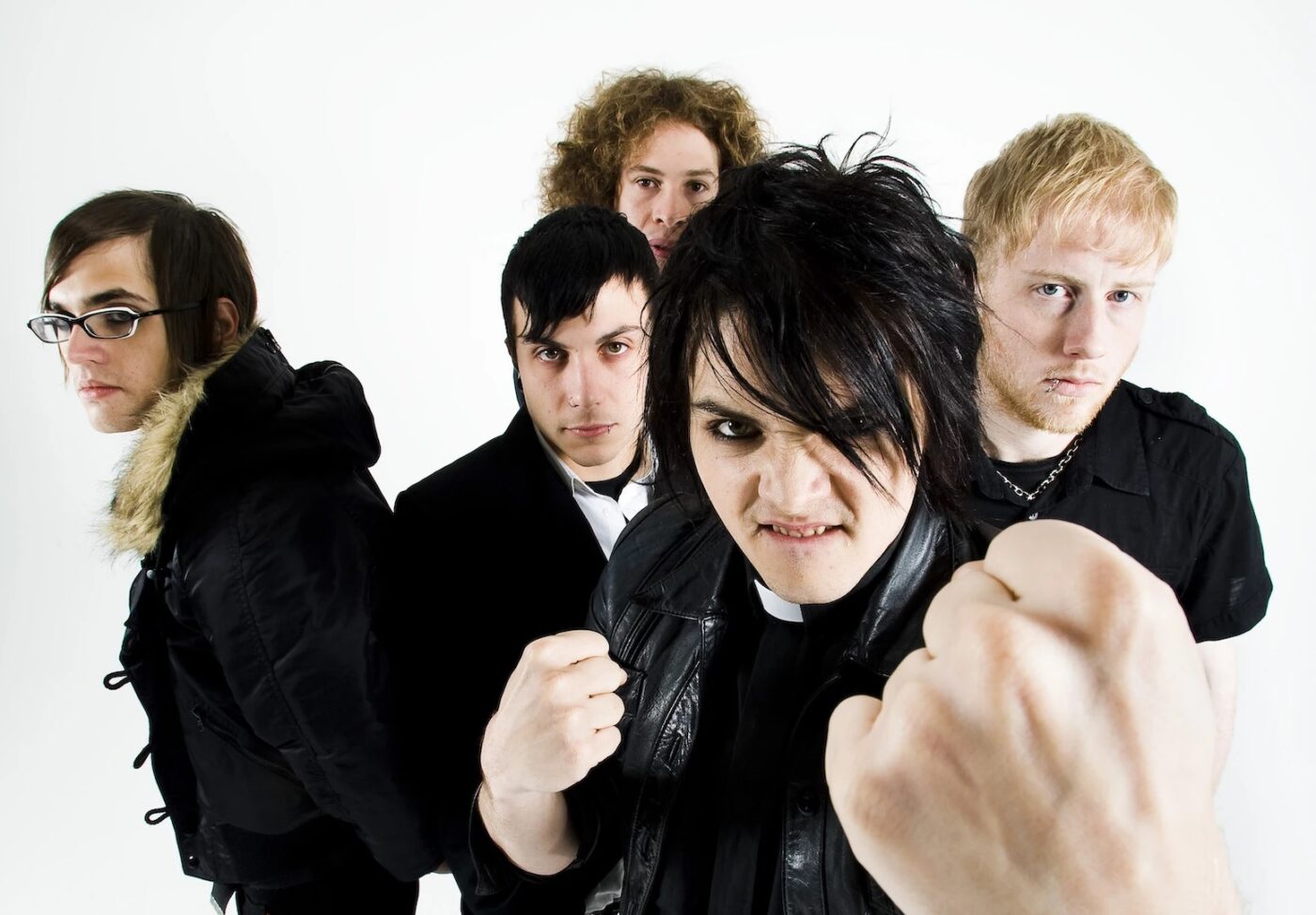
Throughout our A-Level study, we explore a range of artistic movements. Those movements have not been consigned to history, Let’s see how the musicians we listen to can help us become more familiar with the traits of Renaissance writing, of Metaphysical writing, of Romantic writing – and more!
Here are some features often found in Renaissance writing (circa 1500-1660). If you’re familiar with them, it will help you talk about how typical/atypical the Renaissance poem you’re reading might be!
- One speaker
- Private emotional reckoning
- Direct address to an absent beloved
- Dramatic monologue
- Idealisation of female
- Binary oppositions (particularly, maybe, passion vs. reason)
- Moral reckoning before action
- Honourable withdrawal (common in tragic and lyric texts)
- Formal
- Early modern restraint
- No slang
- No irony
- No conversational filler
- Emotional realism
- Feelings of abandonment
- Archaic language or verb forms
- Iambic pentameter
- Heavy use of imagery and persuasion
- Rhetorical devices
- Extended metaphors
- Elaborate similes
ACTIVITY 1
Can you spot any of those same features in My Chemical Romance’s own writing? Let’s look at ‘I Don’t Love You’. Consider both the lyrics and video.
My Chemical Romance, ‘I Don’t Love You’
Well, when you go
Don’t ever think I’ll make you try to stay
And maybe when you get back
I’ll be off to find another way
And after all this time that you still owe
You’re still a good-for-nothing, I don’t know
So take your gloves and get out
Better get out while you can
When you go, and would you even turn to say
“I don’t love you like I did yesterday”?
Sometimes I cry so hard from pleading
So sick and tired of all the needless beating
But baby, when they knock you down and out
Is where you oughta stay
And after all the blood that you still owe
Another dollar’s just another blow
So fix your eyes and get up
Better get up while you can
Whoa, whoa, whoa-whoa, whoa-whoa
When you go, and would you even turn to say
“I don’t love you like I did yesterday”?
Well, come on, come on
When you go, would you have the guts to say
“I don’t love you like I loved you yesterday”?
I don’t love you like I loved you yesterday
I don’t love you like I loved you yesterday
You’ll likely have found evidence of all those features! Some binary oppositions you might have picked up on: love vs rejection; presence vs absence; speech vs silence; duty vs desire.
Here are some features often found in Metaphysical writing (circa1660-1650). If you’re familiar with them, it will help you talk about how typical/atypical the Metaphysical poem you’re reading might be!
- An extended, elaborate comparison linking apparently unlike things
- Developed logically across several lines or the whole poem
- Common pairings: love ↔ geometry, science, maps; the soul ↔ physical objects; faith ↔ architecture or machinery
- (If you spot a sustained, intellectual metaphor, metaphysical poetry should be your first thought.)
- Metaphysical poems often read like mini debates: ( clear proposition; development through logic and reasoning; a persuasive or paradoxical conclusion; connectives such as but, yet, therefore and so).
- First-person speaker (“I”)
- Addressing:
- A lover
- God
- Death
- The soul itself
- This creates a dramatic-monologue or soliloquy effect, linking metaphysical poetry to Renaissance drama.
- Intellectual and learned imagery (imagery often comes from: science and medicine; astronomy and cosmology; geography and exploration; philosophy and theology; mathematics and mechanics – this reflects Renaissance humanist learning and curiosity.)
- Paradox (apparently contradictory ideas made logical)
- Serious, intellectual wit
- Shocking or surprising claims that are carefully reasoned
- Language is often relatively plain
- Little decorative imagery
- Complexity lies in ideas, not vocabulary
- Uneven line lengths
- Irregular rhythm
- Let thought shape form, not musical smoothness
- Rhyme schemes may shift
- Sound patterns support argument rather than melody
- Love as both physical and spiritual
- Themes of faith, doubt, sin, redemption, mortality and eternity, body vs soul
- Human reason engaging with divine truth
ACTIVITY 2
Can you spot any of those same features in Hozier’s own writing? Let’s look at ‘Take Me To Church’. Consider both the lyrics and video.
Hozier, ‘Take Me To Church’
My lover’s got humour
She’s the giggle at a funeral
Knows everybody’s disapproval
I should’ve worshipped her sooner
If the heavens ever did speak
She’s the last true mouthpiece
Every Sunday’s getting more bleak
A fresh poison each week
“We were born sick,” you heard them say it
My church offers no absolutes
She tells me, “Worship in the bedroom”
The only heaven I’ll be sent to
Is when I’m alone with you
I was born sick
But I love it
Command me to be well
Aaay. Amen. Amen. Amen
Take me to church
I’ll worship like a dog at the shrine of your lies
I’ll tell you my sins so you can sharpen your knife
Offer me that deathless death
Good God, let me give you my life
Take me to church
I’ll worship like a dog at the shrine of your lies
I’ll tell you my sins so you can sharpen your knife
Offer me that deathless death
Good God, let me give you my life
If I’m a pagan of the good times
My lover’s the sunlight
To keep the Goddess on my side
She demands a sacrifice
Drain the whole sea
Get something shiny
Something meaty for the main course
That’s a fine-looking high horse
What you got in the stable?
We’ve a lot of starving faithful
That looks tasty
That looks plenty
This is hungry work
Take me to church
I’ll worship like a dog at the shrine of your lies
I’ll tell you my sins so you can sharpen your knife
Offer me my deathless death
Good God, let me give you my life
Take me to church
I’ll worship like a dog at the shrine of your lies
I’ll tell you my sins so you can sharpen your knife
Offer me my deathless death
Good God, let me give you my life
No Masters or Kings
When the Ritual begins
There is no sweeter innocence than our gentle sin
In the madness and soil of that sad earthly scene
Only then I am human
Only then I am clean
Ooh oh. Amen. Amen. Amen
Take me to church
I’ll worship like a dog at the shrine of your lies
I’ll tell you my sins so you can sharpen your knife
Offer me that deathless death
Good God, let me give you my life
Take me to church
I’ll worship like a dog at the shrine of your lies
I’ll tell you my sins so you can sharpen your knife
Offer me that deathless death
Good God, let me give you my life
The following video is interesting for many reasons. One of the things I like the most is hearing Hozier reading the lyrics as a poem! Sometimes we wonder whether the poets we study (or the singers we listen to)
At the end of the video, Hozier references Sarina Esmailzadeh. This is Sarina:
Some more background on this devastating story…
Mahsa Amini was a 22-year-old Kurdish Iranian woman, arrested by Iran’s morality police for allegedly violating hijab laws. She died in custody on 16 September 2022. Iranian authorities claimed illness; witnesses and family alleged beating and abuse. Her death sparked the “Woman, Life, Freedom” movement across Iran.
Sarina Esmailzadeh was a 16-year-old Iranian schoolgirl and social media creator. She died later in September 2022. According to multiple human rights organisations, she was beaten by security forces during protests in Karaj sparked by Amini’s death. Authorities gave conflicting explanations (fall, illness), which her family and independent groups disputed.
The song ‘Baraye (Persian for “For…” or “Because…”) was created in direct response to the September 2022 death of Mahsa Amini in Iranian police custody. Her death sparked massive nationwide protests against the Iranian government’s repression, especially against women’s rights and personal freedoms. ‘Baraye’ quickly went viral as an unofficial anthem of that protest movement. The lyrics are not a traditional songwriter’s poetry – they are composed from real social media posts and tweets from ordinary Iranians explaining why they were protesting.
Each line begins with “Baraye” (“for/because of…”) and then lists specific grievances or desires, such as: fear of public displays of affection, wanting normal everyday freedoms, for women, life, freedom, the protest slogan that became synonymous with the movement. This structure makes the song collective testimony rather than an individual artistic expression – it gives voice to the reasons people were risking their lives to protest. ‘Baraye captures why so many people took to the streets, including young people mourning lost freedoms, safety, and lives – such as Sarina’s – and demanded political change.
The song spread rapidly online and at protests because it articulated the collective motivations of the movement in a simple, emotional structure, listing all the things Iranians were denied. It was sung in cities across Iran and abroad, becoming a soundtrack and shared identity for the movement. The song gained international recognition, including being awarded a Grammy for Best Song for Social Change because of its impact and message. The artist, Shervin Hajipour, was arrested by Iranian authorities soon after its release precisely because of its political impact.
Here are some features often found in Restoration writing (circa1660-1700). If you’re familiar with them, it will help you talk about how typical/atypical the Restoration poem you’re reading might be!
- Focus on satire, wit, and cleverness
- Comedy of manners / social observation
- Urban, courtly, and aristocratic settings
- Cynical or ironic view of love, marriage, society
- Direct, polished language with verbal sparkle
- Bawdy or sexual frankness often present
- Light, elegant, controlled form, but sometimes flexible
- Emphasis on human behavior and manners rather than spiritual reflection
- Often commentary on politics or power structures
- Influenced by classical learning, but more social than moralizing
ACTIVITY 3
Can you spot any of those same features in Pet Shop Boys own writing? Let’s look at ‘Opportunities’. Consider both the lyrics and video.
Pet Shops Boys, ‘Opportunities (Let’s Make Lots Of Money)’
I’ve got the brains, you’ve got the looks
Let’s make lots of money
You’ve got the brawn, I’ve got the brains
Let’s make lots of-
I’ve had enough of scheming and messing around with jerks
My car is parked outside, I’m afraid it doesn’t work
I’m looking for a partner, someone who gets things fixed
Ask yourself this question, do you want to be rich?
I’ve got the brains, you’ve got the looks
Let’s make lots of money
You’ve got the brawn, I’ve got the brains
Let’s make lots of money
You can tell I’m educated, I studied at the Sorbonne
Doctored in mathematics, I could have been a don
I can program a computer, choose the perfect time
If you’ve got the inclination, I have got the crime
Oh, there’s a lot of opportunities
If you know when to take them, you know?
There’s a lot of opportunities
If there aren’t, you can make them
Make or break them
I’ve got the brains, you’ve got the looks
Let’s make lots of money
Let’s make lots of
Money
You can see I’m single-minded, I know what I could be
How’d you feel about it? Come take a walk with me
I’m looking for a partner, regardless of expense
Think about it seriously, you know it makes sense
Let’s (got the brains) make (got the looks)
Let’s make lots of money (money)
(Let’s) you’ve got the brawn (make) I’ve got the brains
Let’s make lots of money (money)
I’ve got the brains (got the brains)
You’ve got the looks (got the looks)
Let’s make lots of money (oh, money)
Money